Art, no matter what format, no matter who created it, and no matter when it was created, is inherently political, and as I sat wondering one autumn day what concept to base my book around, I knew that I wanted to write about something important. To me, there is nothing more important than respecting nature and taking active steps to protect it. I have been a vegan since I was fifteen years old, and a vegetarian for years before. As I began to buy vegan cookbooks and started going to Vegan festivals and restaurants, I learned the importance of community, and how a community together can make an impact on the world. Art is one of the best ways to find that sense of community, a sense of community that can activate change in the world.
My project is titled GRETA, after Generation Z climate change activist Greta Thunberg. It is called GRETA not in an effort to idolize her or shift the focus toward the individual. Thunberg has been vocal about her opinion that “the climate movement does not need any more prizes.” Instead, it is named after her to honor the new generation of activists who are speaking for the planet as a whole as they call out adults and established politicians for not using their power and wealth to make a difference in the world. The modern climate change movement has been led by young people inspired to use their voices by the stories they have heard of other activists through social media taking part in strikes such as #FridaysForFuture.
GRETA is a vegan cookbook compiled in a book with one purpose: to further inspire change and celebrate this connectedness. It is broken down to share the story of seven young people inciting change, each from a different continent, and the effects that climate change will have on their country. There will be drawings based around some of the effects of climate change, such as textured blue paper cut outs of rising oceans, or ombre shaded fires. Following these descriptions of effects such as heat waves, earthquakes, and increased precipitation, and descriptions of their collaborative efforts, there will be a recipe inspired by each activist and specific aspects that are relevant to their own activism, and their home country. For example, for activist Xiuhtezcatl Martinez, who has emphasized the way that fracking in Colorado has destroyed vegetation in surrounding areas, a taco recipe calls for hibiscus flowers. At the end of the day, the message that my project is trying to get across is that any change that will happen will be the result of young people using the social platforms given to them to elevate their voices.
Posted on by Amanda Sheps - Comments Off on Sheps – GRETA: The Environmentalist Cookbook
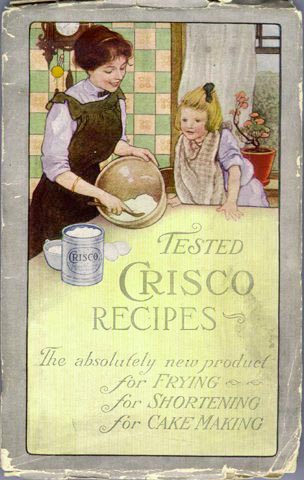
My project is a modern environmentalist cookbook filled with ethical recipes meant to inspire steps to take action and highlight important youth figures in the movement. Cookbooks have existed as a form of expression for thousands of years. These sources of information that for centuries were exchanged and shared between relatives, friends, and total strangers. While cookbooks are traditionally known for featuring recipes, many times they contain much more than food. Cookbooks give background behind the cuisine and culture, but also about the person who made the recipe, and what their reason for making it was. In the modern era, where so many recipes can be found for free online, cookbooks continue to be popular because they give the reader more than just a recipe, but something to aspire for. Cookbooks, to an extent, were the original form of sharing information, or the original smart device. People would pass them on to friends with their own comments, edits, and thoughts. In addition, they would add their own recipes. In a sense, cookbooks became a form of community.
Julie and Julia: Cookbooks in the Digital Age
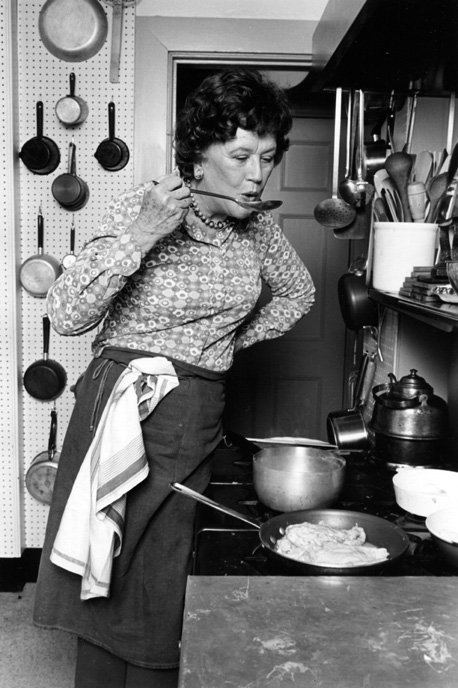
One of the quintessential examples of cooking in the digital age was depicted in the 2009 film Julie and Julia. The film, which is based on a true story, shows the lives of two very different individuals: Julia Child in the first few years of her culinary career, and 20-something New Yorker Julie Powell, who creates a blog where she chronicles her efforts to cook all 524 recipes in Child’s Mastering the Art of French Cooking in 365 days. Powell gained a following on her blog so significant that she ended up publishing a memoir that the movie itself was based on. She had been seeking something to write about, and felt inspired by Child’s cookbook so much that she decided to write about it through her blog. At the time that the real Julia Powell wrote on her blog, the format was new. She used it to not only detail her cooking efforts, but also the hardships of juggling her difficult job and her relationship . Readers of the blog, and later, watchers of the movie, became so ingrained in the movie that they ended up taking up the task on their own, calling it the “Julie and Julia Challenge.” To this day, people on the internet will share photographs of themselves cooking meals, either from Julia Child’s cookbook or the cookbook of their choice, on their blogs or Instagram pages, along with information about events going in their lives that are important to them. In this way, the physical form of the cookbook has become interconnected with technology, and can consequently be used to raise awareness for specific causes.
How Social Media is Used to Advocate For Action Against Climate Change
Since Julia Powell first published her blog in 2002, Internet technology has expanded drastically, and now people do not just voice their opinions on blogs, but on social media websites like Twitter or Instagram. These platforms allow users to reach a larger audience than they traditionally would through other news formats. People can engage in discussion, and elevate the threads that they believe are important. One activist gained popularity through social media is sixteen year old Swedish student Greta Thunberg. She was notorious for taking part in strikes from school to advocate for climate change, but the school strikes were not her idea at all. She was inspired by the student survivors of the Parkland shooting like David Hogg and Emma Gonzalez who used social media to call for gun control under the hashtag #MarchForOurLives. The climate change movement has become a wild force over the past few years as other teenagers, such as Ugandan activist Leah Namugerwa, took the fight to their own countries. With a simple “retweet”, teenagers can endorse and share the messages that are important to them.
Social media activism has become so relevant that 2020 presidential candidates have begun to talk about steps they will take to combat it in more depth than ever before, including Bernie Sanders with his proposed Green New Deal. With millions of young activists around the globe teaming up to exchange resources and call for change (ex: 16 young people around the globe filed a lawsuit arguing the carbon-polluting countries are violating the UN Convention on the Rights of the Child), the urgency has become more stressed, and activists are more empowered than ever.
How would Henry David Thoreau react to climate change on social media?
In modern times, activism in America is heavily supplemented by posts online. In governments without a free Internet, activists face the issue of censorship. But what about in times before the Internet? Henry David Thoreau, the transcendentalist and father of the environmentalist movement was known to spend his time in solitude during his visit to Walden Pond. At the same time, he was passionate about respecting nature as an activist, and other topics such as abolitionism and civil disobedience. It is easy to assume that Thoreau would stay away from social media, but if he time travelled to the future and saw the troubles America is facing today, with its national parks losing federal protections and reported water pollution at Walden Pond, the site of which once boasted crystalline water, his opinion may have changed. While there is no way to know what his opinion would have been if he was alive for social media, it is interesting to consider the kind of posts that he would make on his account if he used it as his general form of communication as opposed to books and journals.
Below is a collection of some hypothetical Henry David Thoreau social media posts put together to gather consideration on how a social platform differentiates from a physical medium.